
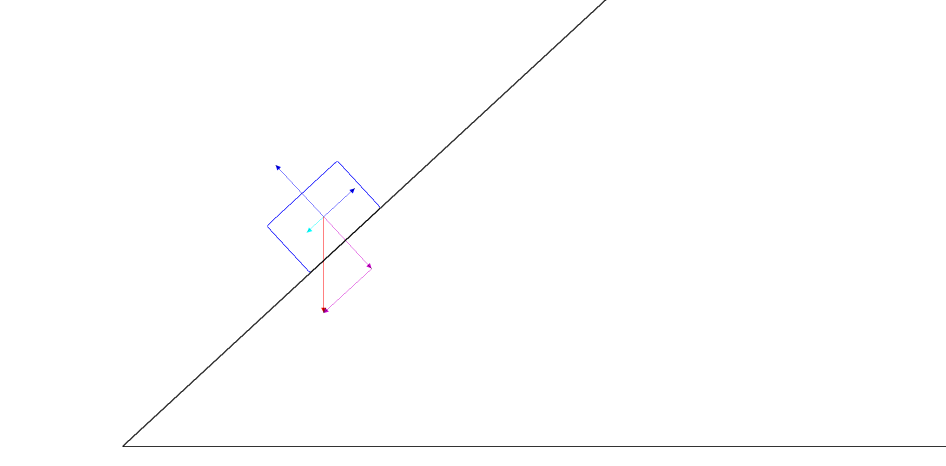
Forces on a slope. Static and kinetic friction.
Version: 0.1 10-19-08
To do:
(i) Figure out arbitrary motion (initial velocity)
P = pitch of slope; m_s = coefficient of static friction; m_k = coefficient of kinetic friction; m = mass of block; g = acceleration due to gravity.

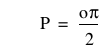
Basis vectors, rotated basis vectors and rotated coordinates:


Size of block; distance uphill:



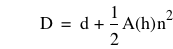
Block with center at X=d and Y=b:

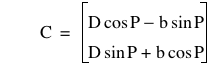
Slope & ground:


Gravitaional force and components parallel and perpendicular to incline:
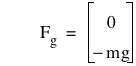


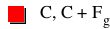

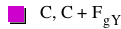
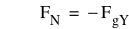
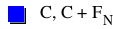
Normal force and its magnitude:

F_A = applied force; F_F = friction force; F_s/k = static/kinetic friction: F_Q = net X force save friction:

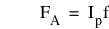


Direction of kinetic friction hinky because it depends on velocity, not net applied force –
UNLESS you begin from rest (so force/acceleration tracks initial slip velocity)
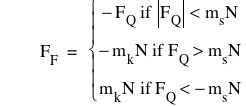
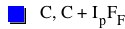
Net force:

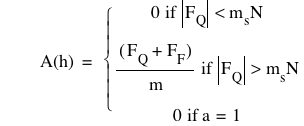
Block accelerates when net applied force exceeds maximum static friction. a=1 to disable:

Author: David A. Craig <http://web.lemoyne.edu/~craigda/>
This file was created by Graphing Calculator 3.5.
Visit Pacific Tech to download the helper application to view and edit these equations live.